

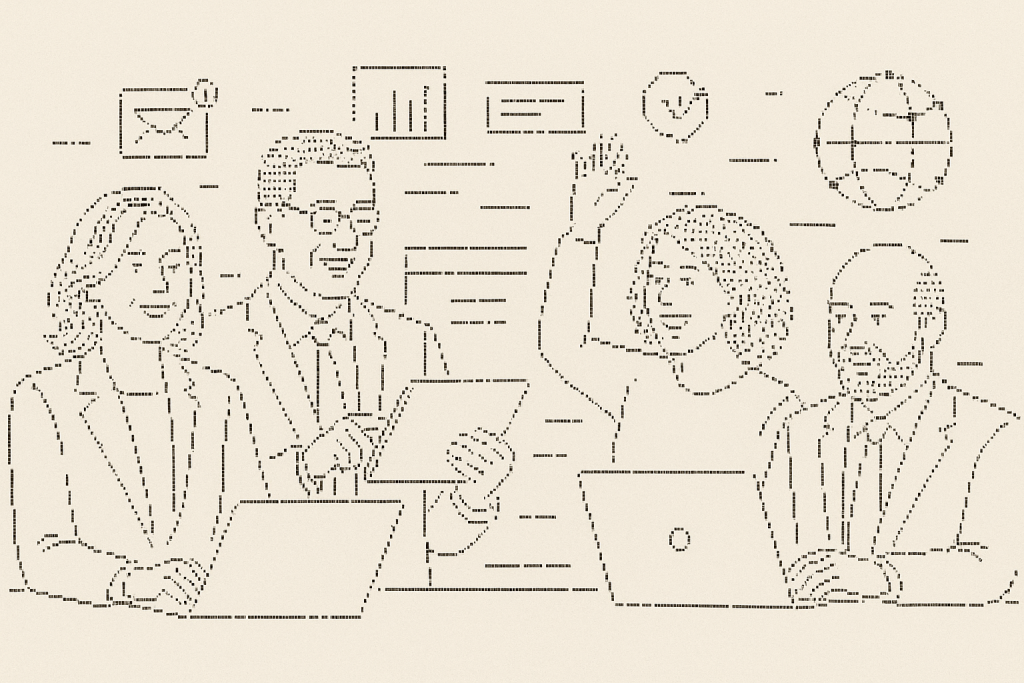
Can Late-Career Professionals Thrive in the Digital Economy? Your Top Questions Answered
In an economy increasingly driven by digital transformation, many seasoned professionals are confronting a critical question: Can I remain relevant—and even prosper—by adapting my skills? At bizgit.me, we specialize in empowering late-stage professionals with the digital skills necessary to stay competitive. This FAQ-style guide addresses your most pressing questions and explores how you can leverage your experience while embracing the tools of the digital age.
Why should late-career professionals invest in digital skills now?
With automation, AI, and digitization reshaping the workforce, digital competence is no longer optional. For professionals in their 40s, 50s, or beyond, acquiring and applying digital skills for late-career professionals is essential not only to stay employed but to unlock new income opportunities. Whether you’re pivoting, consulting, or seeking leadership in digital initiatives, digital literacy is your lever for relevance and reward.
Isn’t this just a space for younger tech workers?
Not at all. Digital doesn’t equal young—it equals agile. While younger professionals may be digital natives, experienced professionals bring strategic clarity, industry knowledge, and leadership. When you pair these strengths with new digital capabilities—such as no-code tools, data interpretation, or digital marketing—you create a rare hybrid: the digitally fluent veteran. These hybrids are increasingly in demand across industries.
What kinds of digital skills are most valuable for me?
The best digital skills are those that complement your career capital. For strategic thinkers, learning data visualization or workflow automation can add significant value. For those with client portfolios, CRM mastery and email marketing can enhance retention. Entrepreneurs or solopreneurs may benefit from e-commerce platforms or subscription model strategies. Our programs at bizgit.me are specifically tailored to help you align your experience with contemporary platforms and practices.
How can I learn digital skills without going back to school full-time?
You don’t need a degree; you need direction. At bizgit.me, we offer self-paced, project-driven learning specifically designed for late-career professionals. With curated guidance, practical tools, and a mentor-supported community, our ecosystem accelerates learning while respecting your obligations and cognitive strengths. No fluff—just real results supported by real ROI.
Will learning digital skills really increase my income potential?
Absolutely. The digital economy rewards those who produce scalable value. That means having the skills to automate processes, analyze business data, or launch a monetized online service. Consulting, affiliate income, fractional executive roles, and productized advisory services are all attainable with the right digital foundations. At bizgit.me, we’ve seen clients 2x or even 5x their previous income by repositioning themselves with these tools.
Am I too late to start?
Only if you don’t. Digital fluency is achievable at any age—what matters is your mindset. Your experience is not a liability; it’s an asset waiting to be digitized. With structured support and targeted upskilling, you can transition from uncertain to in-demand. Many of our most impressive case studies are from professionals who began their digital journey well into their 50s.
The digital shift isn’t a threat—it’s your next opportunity.
Conclusion: The Time for Digital Reinvention Is Now
In a landscape where algorithms and platforms shape industries, standing still is no longer safe. But for late-stage professionals, the digital age holds immense promise. It’s a time not to retire your talent, but to repurpose it—strategically and sustainably. bizgit.me exists to serve exactly this mission: to equip professionals like you with digital skills for late-career professionals that translate into relevance, resilience, and revenue.
Connect with us today to explore how we can support your transformation. The digital economy isn’t for someone else—it’s for you.